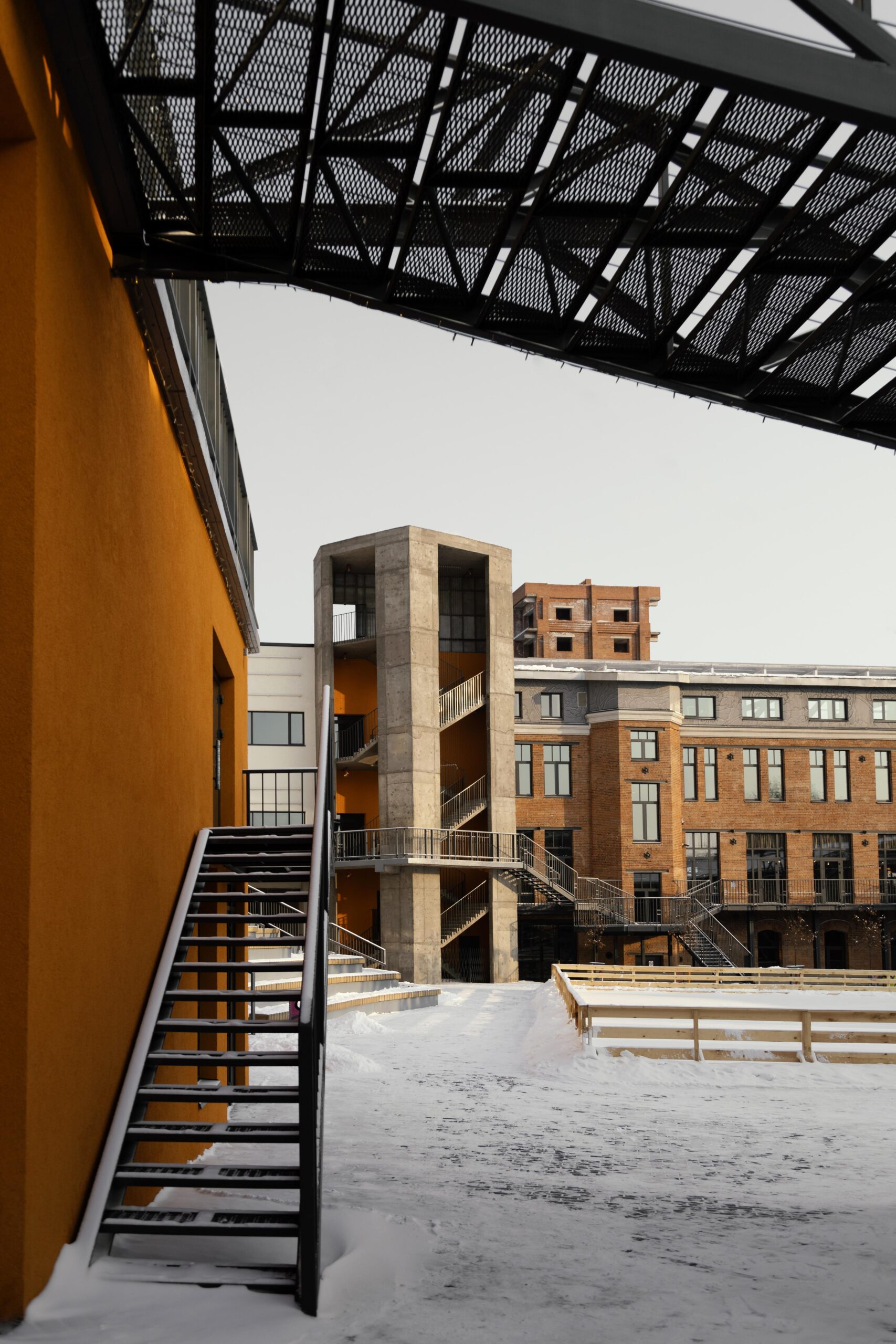
Introduction to School Architecture
School architecture has undergone a significant and fascinating evolution over the decades, reflecting broader societal changes, advancements in educational philosophy, and technological progress. The design of educational buildings is more than a matter of aesthetics; it plays a crucial role in shaping the learning experiences and outcomes of students. From humble, utilitarian structures to modern, flexible, and sustainable campuses, the development of school architecture mirrors the shifting priorities of societies, educators, and communities.
Initially, school buildings were often purely functional, designed with limited resources and little consideration for aesthetics or pedagogy. The priority was simply to provide a space where children could gather and be taught basic literacy, numeracy, and moral instruction. The architecture was often standardized, emphasizing practicality, durability, and cost-effectiveness, rather than creating environments tailored to the developmental and psychological needs of students.
Over time, the evolution of school architecture has been influenced by a combination of factors, including technological advancements, population growth, demographic shifts, changing educational philosophies, and cultural trends. These influences have collectively transformed educational spaces from rigid, industrial-style buildings into dynamic environments designed to foster creativity, collaboration, and holistic development.
Historical Context of School Design
In the early 20th century, school architecture was dominated by rigid, industrial styles, reflecting the societal belief in structured, disciplined, and regimented education systems. Buildings were typically constructed with brick facades, symmetrical layouts, and large, uniform classrooms. Corridors were long and narrow, and windows were placed primarily for ventilation rather than natural lighting or aesthetic appeal.
This design philosophy mirrored contemporary views of education, which emphasized order, hierarchy, and strict routines. Classrooms were teacher-centered spaces, and the physical environment reinforced a sense of discipline and control. Such designs, while practical for managing large numbers of students, often failed to consider the importance of student engagement, comfort, or adaptability to evolving pedagogical practices.
By the mid-20th century, these limitations became increasingly apparent. Educators and architects alike began to critique traditional school buildings for their inability to accommodate diverse learning styles, collaborative projects, or extracurricular activities. Schools were seen not just as sites for academic instruction but as environments that could influence cognitive, social, and emotional development. This awareness set the stage for a shift toward more student-centered designs.
Shift Towards Student-Centric Designs
The mid-20th century marked a turning point in educational architecture, driven by evolving pedagogical theories that emphasized active learning, creativity, and engagement. Educational philosophies began to recognize that the physical environment plays a critical role in shaping student experiences. Classrooms became more flexible, with movable furniture, modular spaces, and open-plan layouts.
Natural lighting, ventilation, and access to outdoor spaces were incorporated to enhance student comfort and concentration. Open common areas and multipurpose rooms encouraged collaboration, group projects, and social interaction, fostering a sense of community and inclusivity. These innovations were not merely aesthetic; research demonstrated that well-designed learning environments could improve motivation, focus, and overall academic performance.
In addition, school architecture began to reflect the concept of experiential learning. Science labs, art studios, and vocational workshops were integrated into school buildings, allowing students to learn through hands-on experiences rather than passive observation. This alignment of educational philosophy and architectural design highlighted the importance of creating environments that support both academic and personal development.
Technological Influences on School Architecture
Technological advancements have profoundly influenced the evolution of school architecture, necessitating spaces that can accommodate modern educational tools. The introduction of blackboards and chalk gave way to whiteboards, projectors, and eventually interactive smart boards. Today, classrooms are increasingly equipped with high-speed internet, tablets, computers, and digital learning platforms that facilitate both in-person and remote instruction.
Science laboratories, maker spaces, and technology hubs have become essential components of contemporary schools, requiring specialized design considerations for safety, accessibility, and functionality. For example, electrical and network infrastructures must be integrated seamlessly into the architectural plan, while rooms must provide adequate space for equipment, collaborative work, and teacher supervision.
These technological requirements have also prompted the modernization of older school buildings. Many historic structures, initially designed for basic instruction, now face challenges in supporting digital infrastructure, energy-efficient lighting, or climate control systems. Updating such buildings involves balancing preservation with innovation, a recurring theme in the evolution of educational architecture.
Emerging Trends in Educational Building Design
Contemporary school designs increasingly prioritize sustainability, reflecting a global shift toward environmentally responsible architecture. Green roofs, solar panels, energy-efficient lighting, and the use of sustainable building materials are becoming standard considerations in new school projects. Beyond reducing the ecological footprint, these features promote awareness of environmental responsibility among students and staff.
Biophilic design, which emphasizes the integration of natural elements into built environments, has also gained popularity. Classrooms with ample natural light, views of green spaces, indoor gardens, and access to outdoor learning areas have been shown to reduce stress and improve cognitive function, creating a more conducive atmosphere for learning.
Another emerging trend is the focus on adaptability. Contemporary educational buildings are designed to be flexible, accommodating changes in enrollment, curriculum, and technology over time. Modular walls, multipurpose rooms, and reconfigurable furniture allow spaces to be easily adjusted for different teaching approaches or community uses.
Inclusivity and accessibility are also central to modern school architecture. Designs increasingly consider students with diverse needs, incorporating features such as ramps, elevators, tactile signage, and quiet zones to create equitable learning environments for all. These considerations reflect a broader societal commitment to social equity and the recognition that architecture can support or hinder student success.
Challenges in Modernizing School Architecture
Despite the clear benefits of modern school design, there are significant challenges in implementing comprehensive architectural upgrades. Budget constraints often limit the extent to which districts can adopt cutting-edge designs or technologies. In many cases, essential repairs and maintenance take precedence over innovative redesigns, leading to incremental rather than transformative improvements.
Bureaucratic and regulatory hurdles further complicate modernization efforts. Securing permits, meeting safety codes, and navigating administrative approval processes can slow down or prevent ambitious architectural projects. Additionally, balancing the preservation of historical school buildings with the need for modernization presents ongoing challenges. Renovating heritage structures requires careful planning to maintain their architectural integrity while incorporating contemporary functionality.
Furthermore, there is often resistance to change from various stakeholders, including educators, parents, and administrators accustomed to traditional layouts. Implementing innovative designs requires not only physical construction but also shifts in school culture, teaching practices, and maintenance procedures, highlighting the complex interplay between architecture and pedagogy.
Impact of Architectural Design on Educational Outcomes
A growing body of research underscores the importance of architectural design in shaping student learning and well-being. Well-lit, ventilated, and ergonomically designed classrooms have been linked to increased focus, engagement, and overall academic performance. Flexible spaces support collaboration, peer learning, and creative problem-solving, while quiet areas allow for reflection, concentration, and individual study.
Thoughtfully designed schools can also promote social cohesion, equity, and a sense of belonging. Common areas, communal gathering spaces, and multipurpose rooms encourage interaction among diverse groups of students, fostering inclusivity and teamwork. The strategic design of educational spaces is increasingly recognized as an investment in both student outcomes and long-term societal benefits.
Conclusion: The Future of School Architecture
The evolution of school architecture illustrates the dynamic relationship between educational needs, societal values, and architectural innovation. From utilitarian brick-and-mortar classrooms to technologically integrated, sustainable, and flexible learning environments, school design has continually adapted to reflect changing pedagogical philosophies and cultural priorities.
The future of educational architecture is likely to emphasize adaptability, sustainability, and technology integration even further. Schools will continue to evolve as centers not only for academic instruction but for social, emotional, and environmental learning. By creating spaces that support diverse learning styles, foster engagement, and encourage collaboration, educational buildings can become active participants in the learning process rather than passive containers for it.
Ultimately, advances in school architecture aim to provide environments that enhance student outcomes, reflect societal values, and prepare future generations for the challenges and opportunities of the 21st century. Thoughtfully designed educational spaces are not merely functional—they are strategic investments in the intellectual, emotional, and social development of students, ensuring that schools remain vibrant centers of learning for generations to come.
 Jesteśmy niezależnym medium internetowym utworzonym przez absolwentów szkół średnich Warszawie. Dwójka z nas uczy się w dalszym ciągu w jednym z Warszawskich Techników Ekonomicznych. Z kolei Olga –
nasze Redaktor Naczelna jest abiturientką Liceum Ogólnokształcącego. Wszystkie nasze recenzje mają charakter NON PROFIT, są niezależne i wyrażają naszą ocenę jako użytkowników, testerów lub
opinię osób którym zaufaliśmy.
Jesteśmy niezależnym medium internetowym utworzonym przez absolwentów szkół średnich Warszawie. Dwójka z nas uczy się w dalszym ciągu w jednym z Warszawskich Techników Ekonomicznych. Z kolei Olga –
nasze Redaktor Naczelna jest abiturientką Liceum Ogólnokształcącego. Wszystkie nasze recenzje mają charakter NON PROFIT, są niezależne i wyrażają naszą ocenę jako użytkowników, testerów lub
opinię osób którym zaufaliśmy.

 Dzięki za info o konkursie organizowanym przez Technikum Ekonomiczne. Plecak, który wygrała jest czadowy 🙂 kto by pomyślał że w ogóle uda mi się coś wygrać. Ada, Warszawa.